

Dubai City Development | Real Estate and Investment Trends
12 November 2025
Over the past decade, Dubai has undergone a striking transformation, becoming an attractive global metropolis for both residents and investors. As of 2025, the city’s population has reached 4 million, doubling since 2011. In 2023, Dubai was chosen as the best city in the world for remote workers, and in 2022 it ranked second globally for expats (foreign residents). In this article, we examine Dubai’s urbanization and infrastructure development from 2013 to 2025, changes in real estate sales and rental prices, the areas that have gained the most value, newly emerging investment zones, and the main reasons people choose Dubai. Wherever possible, the data is based on up-to-date sources from 2024–2025.
Urbanization and Infrastructure Development (2013–2025)
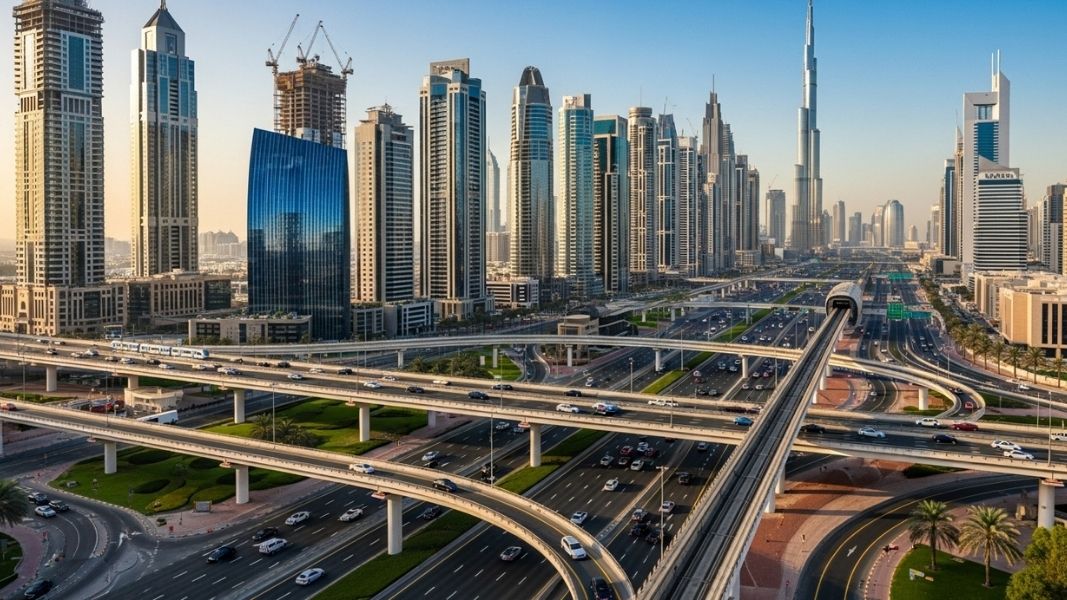
Since 2013, Dubai has rapidly developed its infrastructure through large-scale projects and strategic investments. Expo 2020 preparations were an important part of this process. After winning the bid to host the World Expo in 2013, the city began preparations that included the expansion of metro lines (the Route 2020 metro line, which reached the Expo 2020 site in 2021), the construction of new roads and bridges, and the full infrastructure of the fairgrounds. According to estimates by EY consulting, during the pre-Expo preparation period, AED 37.7 billion (US$10.3 billion) was invested in site preparation and infrastructure. Expo 2020 attracted over 24 million visitors between October 2021 and March 2022, giving a significant boost to Dubai’s economy. In the post-Expo period, 80% of the Expo 2020 site is being preserved and converted into a new mixed-use district under the name “District 2020” (today Expo City Dubai); the plan is to create a new 4.38 million m² city including a convention center, offices, residences, university campuses, and museums. Thanks to the infrastructure legacy provided by the Expo, investment and development in the area have continued in the post-fair period as well.
Dubai’s rapid growth was not limited to the Expo project. Between 2013 and 2025, new attractions and major transportation projects were launched across the city. For example, the Dubai Water Canal, opened in 2016, added a 3.2 km waterway and a new stretch of waterfront to the city. Iconic structures such as Dubai Frame (opened in 2018) and the Museum of the Future (opened in 2022) further enhanced the city’s cultural and touristic appeal. With the Dubai Metro, tram lines, new interchanges, and expanded highways, urban transportation has become easier. In line with population growth, investments have also been made in healthcare, education, and logistics infrastructure. Dubai’s population increased strongly each year, rising from 3.40 million in 2020 to around 4.0 million in 2025; in just the last year alone, more than 230,000 new residents were added, marking a record growth rate of 6.13%. This rapid population growth has boosted housing demand and, in turn, activated the construction sector. In 2016–2017, the city experienced an “infrastructure boom”; in these two years, the population grew by more than 10%, and particularly off-plan residential sales saw a substantial increase.
In summary, over the past twelve years, Dubai has raised its infrastructure to world-class standards through mega projects (for example, the planned new Dubai Creek Tower following the world’s tallest building Burj Khalifa), a new airport (Al Maktoum International in the Dubai South area), and Expo investments. These investments have brought economic dynamism to the city and improved overall quality of life.
Changes in Real Estate Sales Prices (2013–2025)
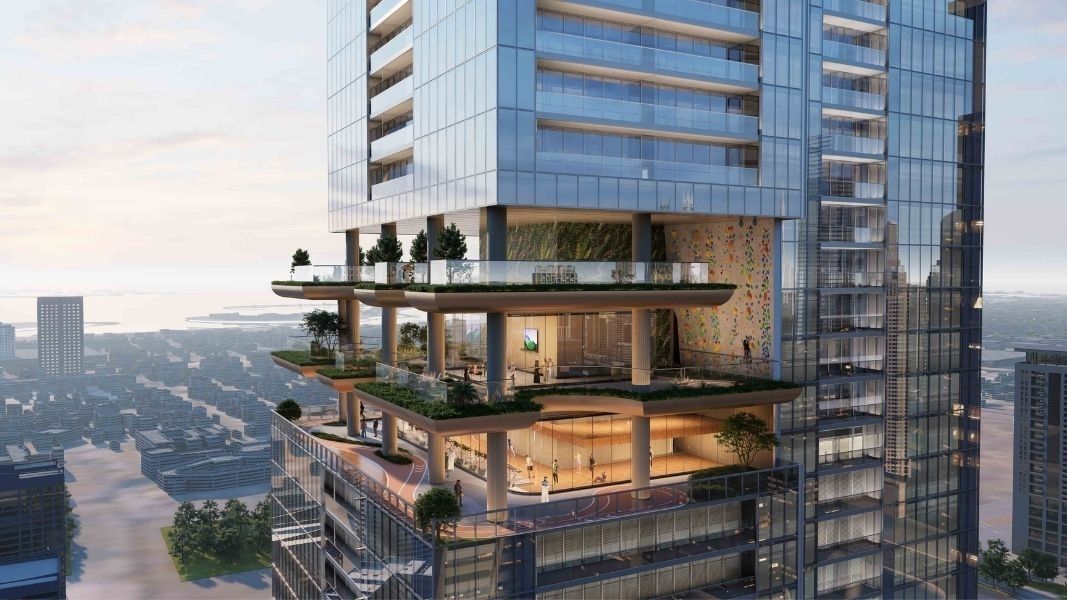
From 2013 to 2025, Dubai’s real estate market went through a full cycle of upswing, downturn, and renewed acceleration. Between 2013 and 2014, residential prices rose rapidly and the market reached peak levels in 2014. This was followed by a correction period from 2015 to 2020, during which prices declined or remained flat. In particular, in 2015–2016, excess new supply and economic slowdown pushed prices into a downward trend. In 2020, under the impact of the COVID-19 pandemic, residential prices dropped to bottom levels. However, from 2021 onwards, the market entered a phase of rapid recovery and saw record increases between 2021 and 2023. While there was a surge in demand in the luxury segment and in prime areas, by 2024 the average Dubai property prices reached their historically highest levels.
Chart 1: Average trend of Dubai residential sales prices (AED/ft²) between 2012 and 2024. Prices peaked in 2014, hit bottom in 2020 due to the pandemic, then started rising again from 2021 and reached record levels in 2024.
To see the annual change in Dubai’s housing market more clearly, we can look at the average prices per square metre. Below is a summary of the annual change in the average residential sales price from 2013 to 2024:
| Year | Average Price (AED/m²) | Annual Change | Note |
| 2013 | ~9,700 | ≈ +8% | Market in an upward trend |
| 2014 | ~10,800 | ≈ +12% | Strong demand, peak point |
| 2015 | ~10,300 | ≈ –4% | Correction begins |
| 2016 | ~10,200 | ≈ –1% | Effect of excess supply continues |
| 2017 | ~10,800 | ≈ +5–6% | Partial recovery |
| 2018 | ~11,000 | ≈ +2% | Local peak, surpasses 2014 |
| 2019 | ~10,500 | ≈ –5% | Impact of economic slowdown |
| 2020 | ~9,800 | ≈ –6% | Pandemic impact, weak demand |
| 2021 | ~10,600 | ≈ +8% | Rapid recovery |
| 2022 | ~12,900 | ≈ +21% | Market jumps |
| 2023 | ~14,700 | ≈ +14% | Upward trend continues |
| 2024 | ~16,400 | ≈ +11–12% | New record level |
Note: The figures above reflect the average of the overall market (all residential types combined). As of the end of 2024, the average residential price is 51.9% higher than in 2014. While the average price was around 1,003 AED/ft² (≈10,800 AED/m²) in 2014, it reached 1,524 AED/ft² (≈16,400 AED/m²) in 2024. Over the same period, the total number of annual residential sale transactions rose from about 40,000 to over 132,000 in 2023, more than tripling.
In 2025, although residential prices are still at high levels, the pace of increase is showing signs of moderating. Throughout late 2023 and 2024, with new supply entering the market, price increases have started to stabilize somewhat. According to forecasts by Fitch Ratings, from the second half of 2025 onwards, as housing supply begins to outpace population growth, the market may experience a moderate correction. However, prime areas such as Palm Jumeirah and Downtown Dubai are expected to remain resilient in terms of pricing due to limited supply and strong demand. In the long term, thanks to Dubai’s strong population growth, economic diversification, and investor-friendly policies, housing demand is expected to remain vibrant, and instead of sharp declines, the market is projected to move toward a soft-landing pattern as it matures.
Changes in Rental Prices (2013–2025)
Dubai’s residential rental market has also followed a cycle parallel to sales prices. Around 2014, rents were at peak levels, but in subsequent years new housing supply caused rents to decline somewhat or remain stagnant. Between 2015 and 2020, the general trend in rents was downward; in particular, between 2016 and 2019, excess supply and economic slowdown led to a fall in rents. In 2020, rents hit bottom due to the shock of the pandemic.
In the post-2021 period, however, rents entered a rapid upward trend. In 2022, rents increased on average by 19% compared to the previous year. This increase was mainly driven by stronger demand for luxury and larger homes. In 2023 and 2024, rents continued to rise, pushing the market above pre-pandemic levels. As of July 2025, the average annual apartment rent in Dubai has reached AED 103,000, breaking a 10-year record (a 21.7% increase on an annual basis). This average includes studios, 1-bedroom, 2-bedroom and larger apartments combined. The average rent for villa-type homes in the same period has risen to AED 328,000, with an annual increase of 19.6%. Thus, rents have surpassed the previous peak last seen in 2014.
In Dubai, the annual average rent of a 1-bedroom apartment fell to around AED 50–55,000 in 2020, but by 2025 it rose to the AED 60–65,000 band. The average rent for 2-bedroom apartments as of early 2025 is around ~AED 85,000. According to Engel & Völkers’ data for the first quarter of 2025, the average annual rent in Dubai is about AED 40,000 for studio apartments, AED 60,000 for 1-bedroom units, and AED 84,800 for 2-bedroom units. These figures are similar to, or slightly lower than, those in Abu Dhabi (where the average rent for a 2-bedroom apartment is about AED 100,000).
Rent increases are not uniform across the city. Between 2022 and 2025, rents have risen much faster especially in central and popular districts. For example, as of mid-2025, apartment rents in Jumeirah Village Circle (JVC) have increased by an average of 27% over the past year; in Dubai Marina by 24%, in Business Bay by 22%, and in Downtown Dubai by 20%. These areas are where tenant demand is highest, thanks to proximity to business centers and high quality of life. On the other hand, in large new developments on the outskirts such as Dubai South, Town Square and Damac Hills 2, expanding supply has kept rent increases more limited and at reasonable levels. Nonetheless, overall, between 2023 and 2025, factors such as population growth, the remote working trend, and new visa facilities (e.g. remote work visas, Golden Visa, etc.) have kept rental demand very strong, which has driven rents sharply upward.
High rent increases have started to strain existing tenants’ budgets. In 2024–2025, in popular districts, landlords—also influenced by Dubai’s legal rent cap rules—have been demanding rent hikes of up to 15–30% upon lease renewals, putting tenants under pressure. This has pushed many tenants to move to outer districts or to apply to Dubai’s Rental Dispute Center to limit excessive increases. On the other hand, high rents mean strong yields for investors: average net rental yields have risen to about 6.3% for apartments and 4.7% for villas (in areas like JVC and Sports City, apartment yields exceed 7%).
Areas with the Highest Growth and Development
Over the past 10 years in Dubai, some districts have experienced major infrastructure improvements and stood out in terms of capital appreciation. What these areas have in common is that, due to their central locations or unique lifestyle offerings, they are preferred by both buyers and tenants. Dubai Marina, Downtown Dubai, Business Bay and Jumeirah Village Circle (JVC) are among the most in-demand and best-performing areas in recent years. According to data from the Dubai Land Department and market sources, as we entered 2025, Marina, Downtown, Business Bay, JVC and Palm Jumeirah emerged as the most popular locations among apartment buyers. Let’s take a closer look at some of these areas:
- Dubai Marina: Largely completed in the 2010s, Dubai Marina has always been one of the most sought-after areas thanks to its skyscrapers surrounding the marina, beach access, and vibrant social life. Even during market slowdowns, Dubai Marina remained relatively resilient, and in the latest upswing it increased its value further. For example, while the average residential price in Marina was around ~1,400 AED/ft² in 2014, it reached ~1,700 AED/ft² by 2024. This roughly 20% increase shows that despite the intervening downturn years, the area has preserved its value in the long term. In 2023–2024, Marina was also one of the leading districts in rental growth, with annual rent increases of about 24%. With its unique views, high-quality residences, and entertainment options, Marina is one of the top locations for both investment and owner-occupation.
- Downtown Dubai: Home to landmarks such as Burj Khalifa, Dubai Mall and Dubai Opera, Downtown is one of the city’s most prestigious addresses. Downtown saw rapid price appreciation in 2013–2014; although prices retreated somewhat between 2015 and 2019, the area never lost its appeal. While the average residential price in Downtown was around ~1,600 AED/ft² in 2014, it rose to around ~1,900 AED/ft² in 2024. Downtown is among the first choices of foreign investors, especially in the luxury segment. With the influx of ultra-high-net-worth individuals after 2020, super-luxury property prices in the area have broken records. In terms of rents too, Downtown is one of the hottest districts in 2025, with annual rent increases of about 20%. Thanks to limited new land supply and global brand recognition, Downtown Dubai is one of the areas that best preserves and increases real estate values.
- Business Bay: Adjacent to Downtown, Business Bay solidified its identity as a mixed-use business and residential district as its infrastructure was completed during the 2010s. Hosting many residential towers and office buildings, Business Bay was still an emerging area around 2013, with more affordable prices compared to Downtown and Marina. Over the past decade, it has seen significant capital appreciation. While the average price was around ~1,300 AED/ft² in 2014, it rose to ~1,600 AED/ft² in 2024. This roughly 23% increase occurred as the area matured and became more preferred. The mix of office and residential properties in Business Bay continues to attract young professionals. As of 2025, Business Bay also ranks among the top districts for rent growth, at about 22%. With its metro connection, central location, and modern skyline, Business Bay remains a profitable area for both commercial and residential investment.
- Jumeirah Village Circle (JVC): One of the city’s newly developing districts, JVC is a large residential area that began to be built in the mid-2010s and is known for its affordable homes. Initially considered a peripheral area, JVC has experienced strong capital appreciation in recent years thanks to infrastructure investments (such as new road connections) and population growth. While the average residential price in JVC was only about ~800 AED/ft² in 2014, it reached ~1,100 AED/ft² in 2024[ – a notable increase of approximately 37%. Especially after 2021, both sale prices and rents in JVC have risen sharply. Its large and relatively affordable housing stock makes JVC attractive for both families and investors. Indeed, in 2025 JVC tops the list across Dubai in terms of rental growth, with annual increases of 27%. Expat families prefer JVC for its reasonable distance to schools and the city center. The continuous increase in demand in the area shows that the potential for further appreciation remains strong.
In addition to the example areas above, Palm Jumeirah has experienced extraordinary price growth in recent years. On Dubai’s iconic palm-shaped island, luxury villas and residences saw intense demand between 2021 and 2023. While the average price on Palm Jumeirah was about ~1,900 AED/ft² in 2014, it rose to ~2,500 AED/ft² by 2024. During this period, ultra-luxury villa sales on the Palm broke records, with the value of some properties nearly doubling after the pandemic. Similarly, in newly master-planned areas such as Mohammed Bin Rashid City (MBR City), prices have surged in the past few years. For example, in 2022–2023, MBR City, Palm Jumeirah and Business Bay were among the districts experiencing the highest price growth in the city. Particularly villa projects and lagoon-front communities within MBR City have generated strong interest among both local and foreign buyers, leading to high capital appreciation.
Newly Emerging Areas and Investment Potential
Because Dubai is a constantly expanding and developing city, new areas offering fresh investment opportunities emerge in every period. In recent years, the most prominent newly developing districts offer significant future return potential. In particular, Dubai South, Mohammed Bin Rashid City (MBR City), Al Furjan and Dubai Creek Harbour are fast-growing areas that are on the radar of both investors and those who want to live in Dubai.
Dubai South – Expo 2020 Legacy and a New City Center
Until the mid-2010s, Dubai South was largely a desert area, but with Expo 2020 hosting and the new airport project, it has become one of Dubai’s most visionary development zones. The area is positioned as a massive “aerotropolis” and logistics hub planned around Al Maktoum International Airport (which, once completed, will be the largest airport in the world). The Expo 2020 site is also located here and is being transformed into a sustainable living and business center under the name “Expo City” in the post-Expo period. Today, Dubai South is an area where both commercial and residential projects are rapidly rising, almost like a brand-new city center. With its large land area, strategic location and government-backed infrastructure investments, there are opportunities in a wide range of property types, from logistics warehouses to villas. The planned Etihad Rail train line passing through the area will turn Dubai South into a transportation hub in the future. Demand is growing for staff accommodation for workers in the area as well as for family-oriented community housing. From an investment perspective, plots and residential units in Dubai South are still more affordable than in the city’s traditional core, and are expected to appreciate further as the airport becomes fully operational and Expo City grows. Experts emphasize that the area will become a “global logistics and innovation center” in the coming period and note that investments made now could generate high returns in the future.
Mohammed Bin Rashid City (MBR City) – Luxury Master-Planned City
MBR City is a master-planned mega project located in the heart of the city and named after the Ruler of Dubai. Announced in the early 2010s, the project includes sub-communities such as the District One villa community, Sobha Hartland residences, Meydan One (the district’s mall and entertainment complex), and extensive green spaces. Although MBR City is located right next to Downtown Dubai, it aims to offer a suburban level of comfort in the city center with its large landscaped areas, lagoons, and villas. In terms of infrastructure, a spacious living environment has been designed with Crystal Lagoon-branded artificial lagoons, parks and cycling paths. The first phase projects in the area began to be handed over from 2018 onwards and construction is still ongoing. Properties in MBR City mainly appeal to investors in the luxury segment. Many high-profile foreign buyers have acquired homes in this area. MBR City’s biggest advantage is that it offers a brand-new and modern lifestyle just a few minutes away from the city center (Burj Khalifa). As elements such as the Meydan One shopping mall and sports facilities, which are still under construction, are completed, the area’s attractiveness will increase even further. According to experts, MBR City is one of the districts in Dubai that could see the highest capital appreciation in the coming years, because the supply of luxury homes is limited and demand will remain high. Some villa and residence projects within MBR City have already appreciated significantly compared to their launch prices. In conclusion, MBR City is poised to become Dubai’s “next-generation Beverly Hills” in the long run, offering both a prestigious address and a strong investment destination.
Al Furjan – Growing Family District with Transport Links
Al Furjan is a planned residential district located in southwest Dubai, near Jebel Ali and Discovery Gardens. The first villa and townhouse deliveries in Al Furjan took place in the early 2010s, and at the time it was perceived as a kind of satellite town far from the city center. However, over time, the opening of the Al Furjan station on the red line of the Dubai Metro (2021) and new road connections significantly improved accessibility. Today, Al Furjan has become a popular neighborhood for middle-income families and professionals. As schools, small shopping centers and other infrastructure facilities have been developed, the area’s appeal has grown. In 2024, property values in Al Furjan increased by more than 25% compared to the previous year, which is well above the Dubai average and shows how quickly the area is appreciating. Behind Al Furjan’s popularity lies the combination of relatively affordable villas and apartments and easy access to the city’s business centers via the new metro line. Additionally, nearby developing communities such as Arjan and Liwan indicate that Al Furjan sits within a broader growth corridor; new schools, parks and retail areas in the vicinity support the district. For investors, Al Furjan also stands out for its strong rental yield potential – there is solid demand for large family homes, and rental income is at attractive levels. In short, Al Furjan has made great strides in recent years and, as of 2025, has become one of Dubai’s “rising star” neighborhoods.
Dubai Creek Harbour – New Waterfront Luxury Hub
Dubai Creek Harbour is an ultra-modern waterfront project being built along the shores of the historic trading hub “Dubai Creek.” Developed by Emaar, the district stands out for featuring Dubai Creek Tower, a record-breaking skyscraper (planned to be the tallest tower in the world). With the first residential foundations laid in 2017, Dubai Creek Harbour is ultimately set to become a massive district containing a marina, retail areas, office zones and tens of thousands of homes. Geographically, it is close to Dubai’s historic center (Deira/Bur Dubai) but is designed to be completely new and luxurious. In particular, its waterfront residences and city-view apartments offer an attractive lifestyle for both investors and end-users. In terms of transport infrastructure, new metro stations are planned and water taxis will connect the area to the city center. Another factor boosting Dubai Creek Harbour’s appeal is that it will host cultural and touristic attractions: plans include museums, parks and birdwatching points near a protected wildlife sanctuary. The first residential towers in the area started handing over in 2019, and as move-ins began, a community started to form. Since this is a luxury segment project, units in Dubai Creek Harbour are priced above the city average, yet according to Emaar’s marketing data they have already seen notable capital appreciation compared to launch prices. Experts predict that once it is fully complete, Dubai Creek Harbour could become a “new Downtown” for Dubai, and that, especially after the planned iconic tower and waterfront promenade are finished, values in the area will rise significantly. Although construction and development are still ongoing, the district offers great potential for long-term investors.
Why People Choose Dubai for Living and Investment
There are several key advantages behind Dubai’s emergence in recent years as a magnet for both expats seeking a place to live and international investors looking for opportunities. Here are the main reasons why people choose Dubai:
- Tax Advantage: The absence of personal income tax in Dubai offers an enormous financial incentive for both employees and investors. While income tax burdens can reach 30–50% in many developed countries, in Dubai 100% of your income remains with you without any income tax deduction. In addition, there is no tax on rental income or capital gains from real estate, meaning that returns are converted into much higher net earnings compared to other markets. This tax-friendly environment makes Dubai uniquely attractive for professionals and entrepreneurs.
- Safety and Peace of Mind: Dubai is considered one of the world’s safest major cities. Crime rates are extremely low; in international comparisons, Dubai’s crime index is around 16 out of 100—very low—while its safety index is around 84, which is very high. It is normal to be able to walk outside safely late at night and to let children play outdoors without constant worry. Public safety is ensured by Dubai Police’s advanced technology and rapid response, extensive CCTV systems, and strict legal penalties. In addition, the political stability of the UAE and the near absence of terrorist incidents help people feel very secure living in Dubai.
- High Quality of Life and Modern Infrastructure: With its skyscrapers, luxury malls, clean beaches and advanced infrastructure, Dubai offers a very high standard of living. Services such as electricity, water and internet are uninterrupted and meet global standards. The modern public transport system (air-conditioned metros, trams and buses), high-quality road network and airports make life highly convenient. Healthcare services and educational institutions are of high quality and hold international accreditations. Dubai’s modern architecture and city planning have been shaped by visionary investments over the past few decades – engineering marvels such as the world’s tallest building Burj Khalifa, artificial islands (Palm Jumeirah), giant aquariums and an indoor ski slope have become part of everyday life in the city. Thanks to this advanced infrastructure, Dubai offers many people a taste of the “city of the future” today.
- Climate and Outdoor Lifestyle: With sunshine throughout the year, Dubai is a major draw for people coming from colder climates. The winter months (November–April), when temperatures hover around 20–30°C, are perfect for outdoor activities. While summers are very hot, the city’s infrastructure and buildings are designed to cope with this (air conditioning is everywhere). Dubai offers a range of outdoor experiences, from desert safaris and beach activities to yacht cruises, providing a unique mix of desert and sea. This climatic advantage attracts wealthy foreigners looking for a winter holiday home as well as retirees who want sunshine year-round.
- Cultural Diversity and Expat Community: Around 88% of Dubai’s population is made up of foreigners. This incredible diversity creates a tolerant and cosmopolitan living environment. With people from all over the world calling Dubai home, a new expat can quickly integrate into this large community without feeling isolated. English is widely spoken, which greatly facilitates both international business and daily life. There are restaurants, cultural events and schools representing many different nationalities. The Dubai government also provides a respectful environment for different religions and cultures; for example, places of worship (mosques, churches, temples) operate freely. As a result, Dubai has a colorful social fabric and can rightly be described as “a meeting point of the world.”
- Easy Residency and Investment Opportunities: In recent years, the UAE government has introduced several schemes to make it easier for foreigners to obtain long-term residency. Through the Golden Visa program, foreigners who meet certain investment, professional or talent criteria are granted residency permits for up to 10 years. Similarly, new visa categories such as the 5-year Investor Visa, Real Estate Investor Visa and Remote Work Visa have been introduced. These policies are a major incentive for expats who plan to live long term and own property in Dubai. Additionally, Dubai stands out as a favorable hub for company formation and doing business – free zone companies allow 100% foreign ownership and are known for fast, streamlined setup procedures. The banking system is advanced and international financial transactions are straightforward. All these factors foster investor confidence in Dubai and encourage capital inflows.
- Economic Stability and Growth: Historically, Dubai’s economy has benefited from not being heavily dependent on oil, instead diversifying across sectors such as trade, tourism, finance, real estate and logistics. The UAE economy achieved a strong growth rate of 7.5% in 2022 and around 3.6% in 2023. For 2024–2025, expectations point to sustained growth above 4%. This solid economic foundation gives Dubai long-term stability. The city is breaking records particularly in tourism – having welcomed more than 14 million visitors in 2022, Dubai continued to attract strong tourist numbers in 2023 and 2024. In the first quarter of 2025, it hosted 7.15 million overnight visitors and hotel occupancy reached 83%. Beyond tourism, Dubai stands out in finance and technology as well (for example, the Dubai International Financial Centre – DIFC has become a hub for finance and fintech). This economic dynamism both attracts highly skilled professionals by offering career opportunities and keeps real estate demand robust. Therefore, Dubai presents a forward-looking and reliable environment for both living and investing.
In conclusion, between 2013 and 2025, Dubai has strengthened its infrastructure and economy, establishing itself as both a metropolis with a very high quality of life and a market that promises attractive investment returns. Although real estate prices have fluctuated over the years, the long-term trend has been upward; the post-2021 period in particular has delivered substantial gains to investors. As of 2025, sales and rental values are at their historical peaks. Thanks to the legacy of Expo 2020, the activation of new development areas and the government’s foreigner-friendly policies, Dubai’s appeal has grown even further. Tax advantages, safety and a cosmopolitan lifestyle place the city at the top of the list for those seeking to relocate or invest capital. As in any market, there may be periodic corrections in Dubai’s real estate sector; however, experts emphasize that Dubai is now a maturing and increasingly deep market, moving along a path of sustainable growth rather than sharp booms and busts. The experience of the past twelve years shows that those who take a long-term view on Dubai not only gain access to a unique lifestyle but also achieve substantial returns on their investments.