
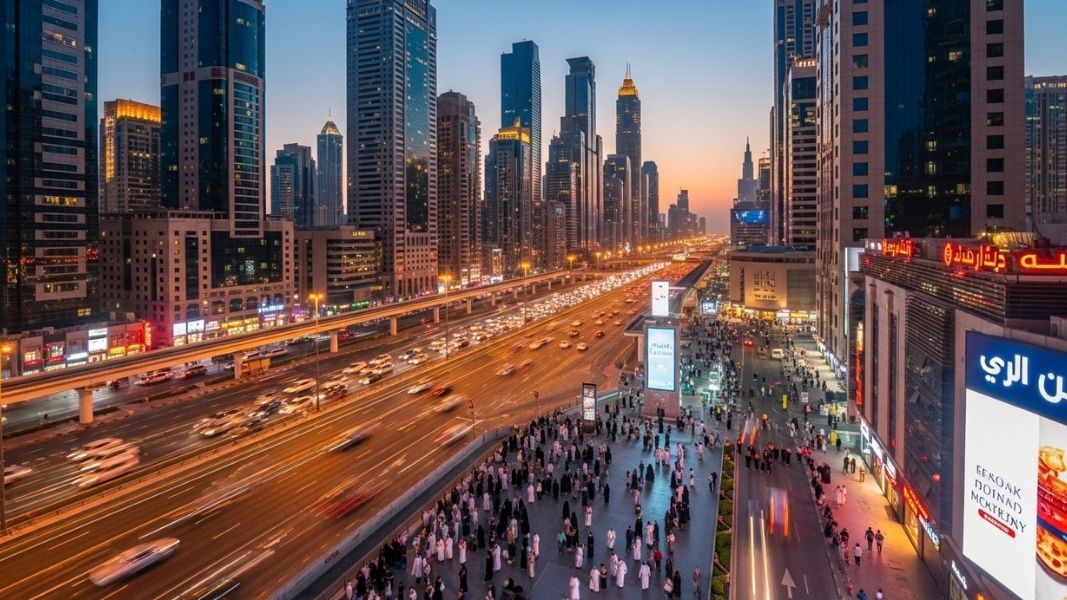
Dubai Population in 2026
8 April 2026
What is the population of Dubai?
According to current data for 2026, the population of Dubai is approximately 3.71 million people. While 88% of the city’s demographic structure consists of foreign expatriates, 12% is comprised of United Arab Emirates (UAE) citizens.
Dubai Population Data for the Last 3 Years:
- 2024: 3.65 Million
- 2025: 3.68 Million
- 2026: 3.71 Million
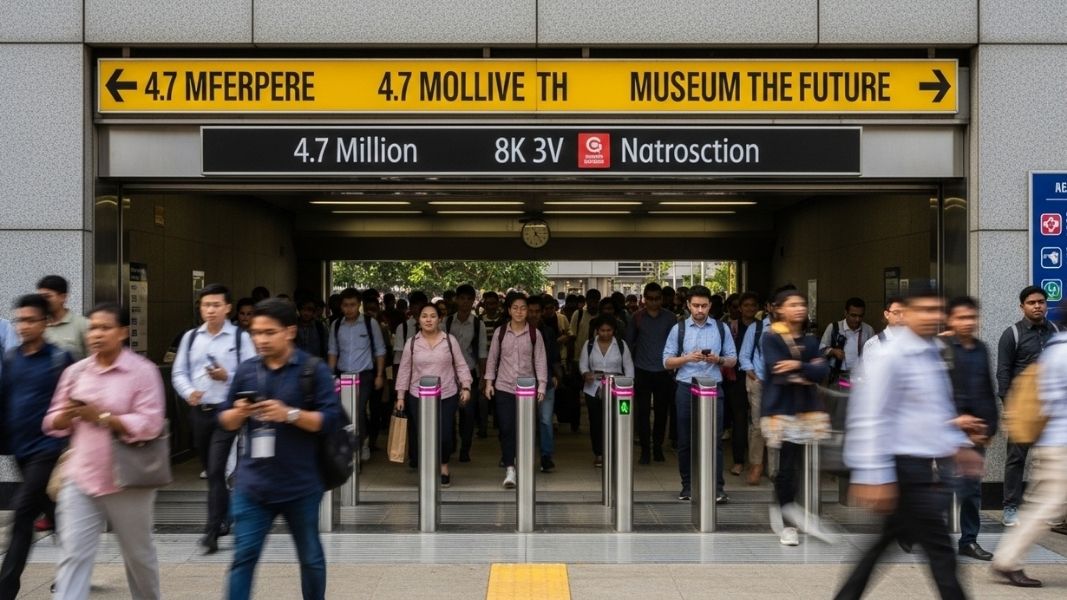
During daytime hours, the city’s active population rises above 4.7 million due to the influx of tourists and the workforce commuting from neighboring emirates. Maintaining an average annual growth momentum of 1.8% to 2%, Dubai aims to increase its population to 5.8 million in line with the “2040 Urban Master Plan.”
Global Attraction Center: Dubai’s Growth Dynamics
As the trade, tourism, and technology hub of the Middle East, Dubai has become a global phenomenon not only through its economic data but also its extraordinary urban growth rate. When Dubai Statistics Center (DSC) projections and live counter data are analyzed, it is evident that the city has permanently crossed the 3.7 million threshold as of 2026.
The foundation of this increase lies in the global demand for tax advantages, secure living standards, and a multicultural social structure.
Demographic Breakdowns: Who Lives in Dubai?
To understand Dubai’s socio-economic structure, it is necessary to take a closer look at the demographic breakdowns of the population. The data sets most prioritized by search engines in regional analyses are as follows:
Local and Foreign Population Ratio
The city hosts one of the highest foreign expatriate (expat) ratios in the world.
- Expat Population (88%): Approximately 3.26 Million. (While primarily consisting of workers from India, Pakistan, and Bangladesh; in recent years, white-collar professionals and business owners from the UK, Russia, Germany, and Turkey also form this group.)
- Emirati Population (12%): Approximately 450 Thousand. (Local citizens of the UAE.)
Gender Distribution and Labor Force Impact
Since a large portion of migration to Dubai is directed toward the business and construction sectors, the male population is significantly higher than the female population in the demographic structure.
| Demographic Group | Percentage Ratio (%) | Estimated Number of People (2026) |
| Male Population | 68% | 2.52 Million |
| Female Population | 32% | 1.19 Million |
Steady Growth Trend by Year
Dubai’s population curve draws an upward momentum, minimally affected by global crises or regional fluctuations.
- 2010: 1.9 Million
- 2015: 2.4 Million
- 2020: 3.4 Million
- 2026 (Current): 3.7 Million
Strategic Note: The “Dubai 2040 Urban Master Plan” implemented by the government envisions the expansion of the city’s infrastructure to accommodate 5.8 million people. This is the greatest indicator of international confidence in the city.
Impact of Population Growth on Real Estate and Investment Markets
The population growth chart in Dubai progresses in direct parallel with the demand curve in the real estate market. Tens of thousands of new expats moving to the city permanently each year create constant circulation in the rental and sales housing markets.
This demographic pressure and continuous demand create the following opportunities for investors:
- High Rental Yield (ROI): The housing needs of the population ensure that Dubai offers rental returns (between 6% – 9%) well above global averages.
- Capital Appreciation: Limited space in prime areas such as Downtown Dubai, Business Bay, and Dubai Marina, combined with the growing population, causes real estate values to rise steadily.
- New Project Development (Off-Plan): In order to meet the population increase projected in the 2040 vision, investments in the city’s outskirts and new master projects (e.g., Dubai South and Palm Jebel Ali) are gaining speed.
Frequently Asked Questions
- How many Turkish people are actively living in Dubai?
Although there is no definitive number announced by official authorities, it is estimated that the Turkish population in Dubai is in the range of 35,000 to 45,000 as of 2026, due to the influence of commercial migration and Golden Visa applications. - What is the average age in Dubai?
Dubai has an extremely young and dynamic population. Since the working population is predominant, the average age of the city is around 33-34. - Why is the daytime population higher in Dubai?
Dubai is the main center for business and trade. Hundreds of thousands of people coming to Dubai every day from neighboring emirates (Sharjah, Ajman, etc.) for work, along with tourists visiting the city, push the daytime population above 4.7 million.