
Buying a House in the USA as a Foreigner: 8 Steps
28 October 2026
Foreigners can buy a home in the US without a visa, residency or a Green Card. There is no general federal ban on foreign ownership: you can hold title with a passport and even complete the purchase from abroad through a power of attorney. The real differences lie in financing, taxes and paperwork.
According to the National Association of Realtors (NAR) report published in July 2026, foreign buyers purchased 67,100 US homes between April 2025 and March 2026, worth $45.3 billion, at a median price of $465,000. 48% paid all cash, compared with 28% of all buyers. Their top states were Florida (20%), California (19%) and Texas (12%).
Requirements for Buying a Home in the USA as a Foreigner
- A valid passport: no citizenship, visa or US residency is required, and you do not need to be in the US at closing.
- Proof of funds: banks and the escrow or title company will ask where the money comes from under anti-money-laundering rules. Have bank statements and sale or income documents ready.
- A US bank account: not legally required, but it makes paying taxes, fees and bills much easier.
- An ITIN: foreigners without a Social Security number get an Individual Taxpayer Identification Number from the IRS with Form W-7 to report rental income and, later, to sell.
- Ownership structure: you can buy in your own name, jointly or through an LLC. The choice affects tax, inheritance and privacy, so settle it before closing.
Some states add their own limits. Florida's 2023 law, for example, restricts certain people from "countries of concern" such as China, Russia and Iran from buying near critical infrastructure and military sites. Türkiye is not on that list.
Does Buying a Home Give You Residency?
No. Owning property does not change your immigration status. Most foreign owners visit on a B-2 visa, which usually allows stays of up to 6 months per entry. Living in the US requires a separate application such as the E-2 investor visa, EB-5 or employer sponsorship. We compare every option in our guide on how to get US residency.
Buying a Home in the USA: 8 Steps
1. Budget and payment method

Decide first between cash and a loan. NAR data show almost half of foreign buyers pay cash. If you borrow, get pre-approved by a lender that works with foreign nationals; sellers take offers more seriously with that letter. We cover loan terms and current rates for foreigners in our guide to buying a home with a mortgage in the US.
Budget for more than the price: closing costs, annual property tax, insurance and any homeowners association (HOA) fees.
2. A written agreement with a buyer's agent
In the US, buyers and sellers are usually represented by separate licensed agents. Under NAR rules in effect since August 17, 2024, buyers working with an MLS agent sign a written buyer agreement before touring homes. The agent's compensation is stated in that agreement and is negotiable.
3. Choosing the area and the home

Property tax rates, insurance costs and rental demand vary by state and even by county. Single-family homes, condos and townhouses also differ widely in fees, maintenance and rental rules. If you are buying a condo, ask early whether the building allows short-term rentals.
4. Offer and purchase contract
An offer is a draft purchase contract. It sets the price, closing date, earnest money deposit and contingencies such as inspection, financing and insurance. The deposit usually sits in a neutral escrow account and is refunded if the contingencies are not met.
5. Inspection and appraisal
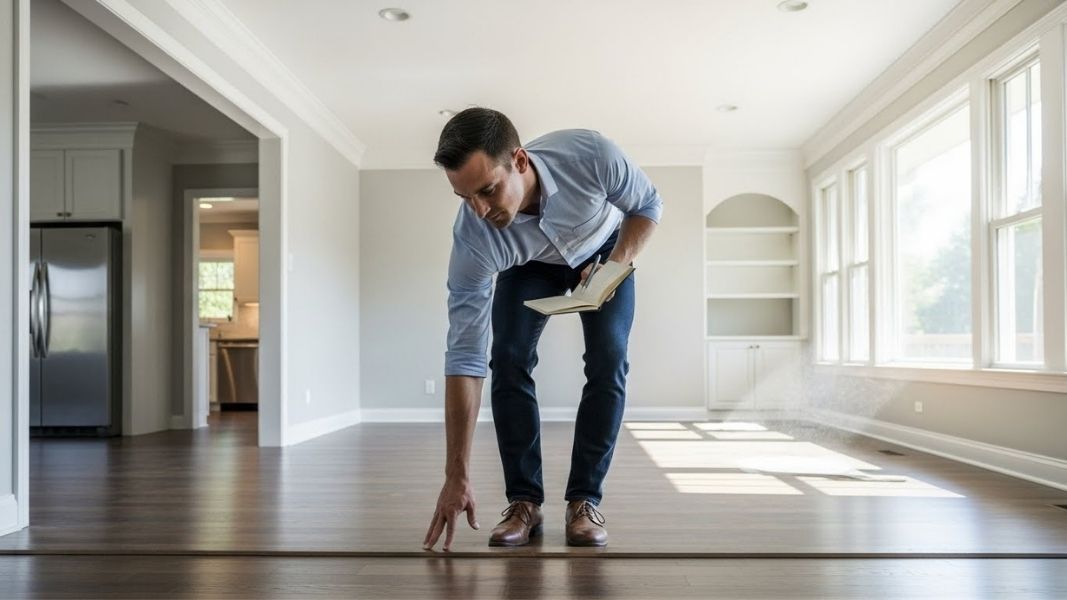
Once the contract is signed, an independent home inspector checks the roof, foundation, plumbing, electrical and HVAC systems. Depending on the region, termite, radon, flood or wind checks are added. With a loan, the lender also orders an appraisal. You can renegotiate or walk away within the contingency period.
6. Title search and title insurance
A title company or attorney checks for mortgages, liens or other claims. An owner's title insurance policy, paid once at closing, protects you against past title defects. The county keeps the records, but the insurance provides the guarantee of clean title.
7. Closing
At closing the price is paid through escrow and the deed is signed. From abroad, you can sign at a US consulate or before a notary with an apostille, or appoint an attorney-in-fact. Beware of emails announcing last-minute changes to wiring instructions; this is the most common closing fraud in the US. Always confirm account details by phone.
8. Recording and after closing
The deed is recorded with the county. Activate homeowners insurance and set up property tax and HOA payments. If you plan to rent, check state landlord rules and any licensing requirements.
Taxes and Costs When Buying a Home in the USA
| Item | When? | Note for foreigners |
|---|---|---|
| Transfer tax | At closing | Varies by state and county; some states have none. Example: Florida charges $0.70 per $100 |
| Closing and title costs | At closing | Escrow, title insurance and recording fees; vary by state |
| Property tax | Every year | Set locally. Primary-residence exemptions are generally not available to foreign investors |
| Rental income tax | If you rent out | Nonresidents face 30% withholding on gross rent unless they elect to be taxed on net income |
| FIRPTA withholding | When you sell | Generally 15% of the sale price is withheld from foreign sellers and credited against the tax due |
| Estate tax | On death | A nonresident's estate must file if US assets exceed $60,000 |
FIRPTA and estate tax are the two issues foreign buyers miss most often. Plan the ownership structure (personal or LLC) with a US tax adviser before closing.
Which State Should You Buy In?
Florida is often the first choice: it has no state personal income tax and draws one in five foreign buyers. But it has its own condo laws, flood insurance rules and hurricane risk, which we cover in our guide to the Miami home buying process. New York, Texas and California differ markedly on transfer tax, property tax and rental rules.
Sources: National Association of Realtors (2026 International Transactions in U.S. Residential Real Estate, July 2026; buyer agreement rules, August 2024), IRS (FIRPTA Withholding, July 2026; ITIN/W-7; Form 706-NA instructions), Florida Department of Revenue (Documentary Stamp Tax). This article is general information, not legal or tax advice.
Frequently Asked Questions
Can a foreigner buy a house in the USA?
Yes. There is no federal ban on foreigners buying US homes. You can hold title with a passport, without a visa, residency or Green Card.
What do you need to buy a house in the US as a non-resident?
A valid passport, proof of where your funds come from and, for rental income and a future sale, an ITIN from the IRS. A US bank account is not required but makes payments easier.
Does buying a house in the US give you residency?
No. Property ownership does not change immigration status. Living in the US requires a separate visa or Green Card route such as E-2, EB-5 or employer sponsorship.
Can I buy a US home without being in the country?
Yes. Documents can be signed at a US consulate or before a notary with an apostille, and an attorney-in-fact can complete the closing for you.
What taxes do foreigners pay on US property?
Transfer tax and closing costs at purchase, annual property tax and, if rented, rental income tax. When selling, generally 15% of the price is withheld under FIRPTA.