
US Mortgage for Foreigners 2026: Rates and Rules
28 October 2026
Foreigners can buy a home with a mortgage in the US; you do not need to be a US citizen or green card holder. But a loan to a foreign buyer works differently from one to a US resident: the down payment is larger, the rate is usually above the national average, and the document list is longer.
According to Freddie Mac's weekly survey, the average 30-year fixed mortgage rate in the US was 7.32% as of October 22, 2026. Below we cover current rates, which loan you can apply for depending on your status, ITIN and DSCR loans, Florida closing costs and the step-by-step process, using Miami as an example.
Current US Mortgage Rates in 2026 (Freddie Mac)
The most widely used benchmark for US mortgage rates is Freddie Mac's Primary Mortgage Market Survey (PMMS), published every Thursday. It shows the average rate on conventional loans for borrowers with strong credit who put 20% down.
| Date | 30-year fixed | 15-year fixed |
|---|---|---|
| October 22, 2026 (latest) | 7.32% | 6.68% |
| October 15, 2026 | 7.40% | 6.71% |
| January 8, 2026 (first reading of the year) | 6.16% | 5.46% |
| February 26, 2026 (2026 low) | 5.98% | — |
| October 23, 2025 (one year ago) | 6.19% | 5.44% |
Rates hovered around 6% in the first half of 2026, then climbed quickly from September to 7.40% in early October. The 30-year rate is about 1.1 points higher than a year ago. Rates for foreign nationals and investment property loans are usually above this average; your exact rate depends on the lender, down payment and property type.
Can Foreigners Get a Mortgage in the US?
Yes. There is no general federal rule restricting foreigners from buying homes in the US, and many banks and lenders offer mortgages to non-residents. Which loan you can get depends on your status in the US.
| Status | Loan type | Typical down payment |
|---|---|---|
| US citizen / green card holder | Conventional loan, FHA loan | From 3% (conventional) or 3.5% (FHA) |
| Living in the US on a work visa (H-1B, L-1, E-2) | Conventional loan (with SSN and proof of lawful status) | Usually 5%–20% |
| Living abroad (foreign national) | Foreign national loan | Usually 25%–40% |
| Investor buying to rent | DSCR loan | Usually 20%–30%, 25%+ for foreign nationals |
An important change: from May 25, 2025, the US Department of Housing and Urban Development (HUD) removed non-permanent residents from eligibility for government-backed FHA loans. Work visa holders now turn to conventional loans instead. The down payment figures above are 2026 market practice, not official limits, and vary by lender.
Foreign National Mortgages: Requirements and Documents
If you live outside the US and want to buy in Miami, you will usually apply for a foreign national loan. These loans fall outside Fannie Mae and Freddie Mac standards, so each lender sets its own rules. You can apply without a US credit history, but you will be asked for a larger down payment and reserves.
Lenders commonly ask for:
- A valid passport (some lenders also require a US visa)
- Proof of income and tax returns for the last 2 years, translated into English
- Reference letters and recent statements from your home-country banks
- Documents showing the source of the down payment and closing funds
- Reserves left in the account after closing, usually 6–12 months of payments
- A US bank account
Loan amounts are usually capped at 60%–75% of the property value. For condos, lenders also check whether the building is warrantable; buildings with high HOA delinquencies or fully open to short-term rentals have fewer financing options.
What Is an ITIN and Do You Need One for a Mortgage?
An ITIN (Individual Taxpayer Identification Number) is a tax ID issued by the IRS to people who cannot get a Social Security Number (SSN). You apply with Form W-7, and it is issued when you have a US tax filing requirement, for example when you earn rental income from a US property.
Most foreign national loans can be made without an ITIN. Some lenders offer "ITIN loans" for people who live in the US but do not have an SSN. If you plan to rent the home out, you will need an ITIN anyway, so start the process early.
DSCR Loans: Qualifying on Rental Income
A DSCR (debt service coverage ratio) loan looks at the property's expected rent rather than your personal income. The ratio is monthly rent divided by the total monthly payment (principal, interest, property tax, insurance and HOA).
For example, if expected rent is $3,500 a month and the total payment is $3,200, the DSCR is about 1.09. Lenders typically want 1.0 or higher, and ask for a larger down payment as the ratio falls. For investors who find it hard to document foreign income to a US bank, DSCR is a common alternative to a foreign national loan. Note that many Miami buildings ban or restrict short-term rentals, so base your rent estimate on the building's rules.
Example: Financing a $600,000 Condo in Miami
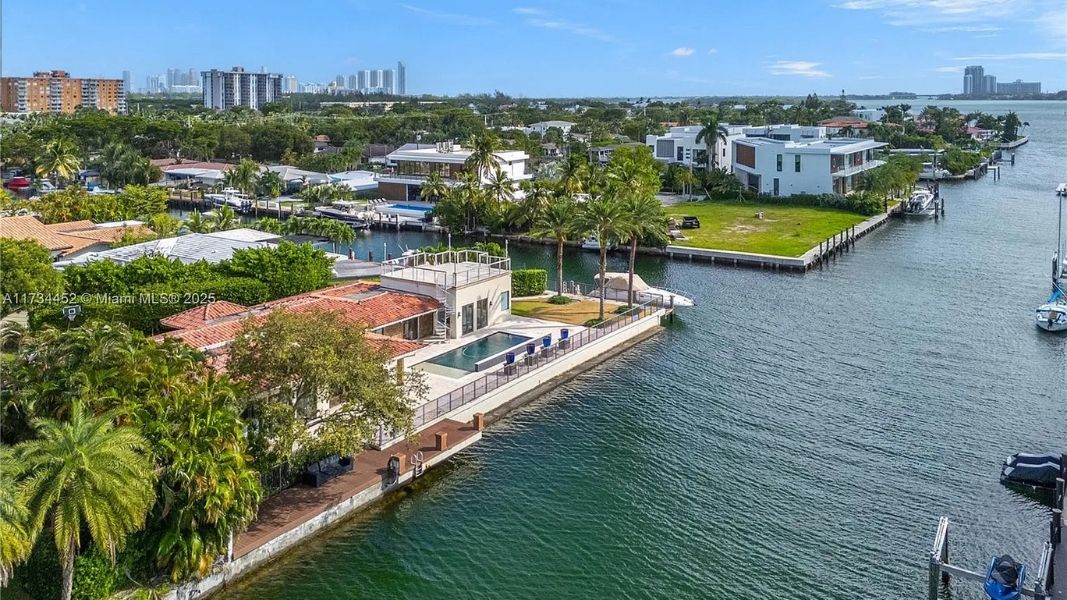
The example below shows monthly principal and interest on a $600,000 condo bought with 30% down, at Freddie Mac's current average rate. Since foreign nationals usually pay a higher rate, the real payment may be higher.
| Item | Amount |
|---|---|
| Purchase price | $600,000 |
| Down payment (30%) | $180,000 |
| Loan amount | $420,000 |
| Monthly principal + interest, 30 years, 7.32% | About $2,885 |
| Monthly principal + interest, 30 years, 6.19% (rate one year ago) | About $2,570 |
| Monthly principal + interest, 15 years, 6.68% | About $3,700 |
| Documentary stamp tax on the note (0.35%) | $1,470 |
| Intangible tax on the mortgage (0.2%) | $840 |
Property tax, home insurance, flood insurance where required and HOA fees come on top of the loan payment, and in Miami they can add significantly to the monthly budget. You can browse similar units in our Miami apartments for sale listings.
Closing Costs and Florida Taxes
Closing costs, including lender fees, insurance and taxes, usually come to about 2%–5% of the purchase price. In Florida, part of this is state tax, set by the Florida Department of Revenue.
| Item | Rate / amount | Usually paid by |
|---|---|---|
| Documentary stamp tax on the note | 0.35% of the loan ($0.35 per $100) | Buyer |
| Intangible tax on the mortgage | 0.2% of the loan | Buyer |
| Documentary stamp tax on the deed (Miami-Dade) | 0.60%, plus a 0.45% surtax on property other than single-family residences | Per contract, usually the seller |
| Lender fees, appraisal, points | Varies by lender | Buyer |
| Title insurance | Based on price | Per contract |
Under Consumer Financial Protection Bureau (CFPB) rules, your lender must give you a Loan Estimate showing all costs within 3 business days of your application. The Closing Disclosure with final figures must reach you at least 3 business days before closing. Comparing the two helps you avoid surprise fees.
Step-by-Step: Buying a Home with a US Mortgage
- Get pre-approved: set your budget and get a pre-approval letter from a lender. Sellers expect to see it with your offer.
- Open a US bank account: move your down payment and reserves in advance and document where the money came from.
- Choose a home and make an offer: once accepted, you sign the contract and pay the escrow deposit.
- Inspection and appraisal: you order a home inspection; the lender orders an appraisal.
- Loan approval: the lender underwrites your file and you lock your rate.
- Insurance: arrange home insurance, and flood insurance if required, before closing.
- Closing: sign the documents and the deed is recorded in your name. You can close remotely or by power of attorney.
A financed purchase usually takes 30–60 days, and longer for foreign buyers once document preparation is included. For every step of the purchase beyond the loan, see our guide to buying a home in America.
After You Buy: Insurance, Taxes and Rental Income
Home insurance is mandatory on a mortgaged home, and federal rules require flood insurance for homes in FEMA high-risk flood zones. Miami-Dade calculates property tax each year based on assessed value. Foreign buyers cannot claim the homestead exemption, but annual increases in assessed value on these properties are capped at 10%.
If you rent the home out, the rental income is taxed in the US. Under IRS rules, 30% is normally withheld from a nonresident's gross rent, but you can elect to be taxed on net income after expenses. When you sell, FIRPTA generally requires 15% of the sale price to be withheld.
Finally, buying a home in the US does not, by itself, give you residency or a green card. We cover the options in can you get a green card by buying a home in the US?
Sources: Freddie Mac Primary Mortgage Market Survey (October 22, 2026 data) and the St. Louis Fed FRED series; HUD Mortgagee Letter 2025-09; FHFA; Florida Department of Revenue (documentary stamp and intangible taxes); Miami-Dade Property Appraiser; CFPB; IRS (ITIN, nonresident rental income, FIRPTA); FEMA. Down payments and foreign national loan terms reflect 2026 market practice and vary by lender. This article is not financial or legal advice.
Frequently Asked Questions
Can a foreigner get a mortgage in the US?
Yes. You do not need to be a US citizen or green card holder. Buyers living abroad usually apply for a foreign national loan, or a DSCR loan for rental properties.
What are current US mortgage rates?
According to Freddie Mac, the average 30-year fixed rate was 7.32% and the 15-year fixed rate 6.68% as of October 22, 2026. Rates for foreign nationals are usually higher than this average.
How much down payment does a foreigner need for a US mortgage?
Foreign national loans usually require 25%–40% down. The exact figure depends on the lender, property type and your credit profile.
Can I get a US mortgage without an SSN?
Yes. Most foreign national loans do not require an SSN, and some lenders accept an ITIN. Instead of a US credit history, they ask for a larger down payment and reserves.
What is a DSCR loan?
A DSCR loan is an investment property loan approved on the home's rental income rather than your personal income. Lenders typically want monthly rent to cover the total monthly payment at a ratio of 1.0 or higher.
Does buying a home in the US give you a green card?
No. Buying property does not, by itself, give you residency or a green card. Investor green cards go through a separate program, EB-5.